A backpacking chair was competing in a category where buyers search in dozens of different ways: camping chair, camp chair, folding, portable, ultralight. We mapped each search phrase to a specific bullet before writing a word, then wrote each bullet to answer a real camping question. Three weeks later, sessions were up 34% and units up 65%, at the same price. Every figure comes from the account’s Business Reports.
48 to 79
Units ordered
14.63% to 17.99%
Unit session %
$1,440 to $2,369
Ordered sales
+34%
Sessions
At a Glance
Product: An ultralight folding backpacking chair
The problem: Buyers search in many different ways, and the listing only covered a few
Result: Units 48 to 79 and sales $1,440 to $2,369 in three weeks, price unchanged
The Situation
Camping chair shoppers do not all use the same words. Some type camping chair, others backpacking chair, folding camp chair, portable chair, or ultralight chair. A listing built around one phrase misses the rest. This listing had 328 sessions and converted at 14.63%.
The Approach
Plan the keywords before writing the copy. We built a map that gave each bullet two or three target phrases, so the listing covered eighteen search phrases without stuffing any of them. Then each bullet answered a question a camper actually asks: will it last, will I fit, can I carry it, how fast does it set up.
What We Did
Mapped keywords to bullets first
Each bullet was assigned its own two or three phrases, so eighteen searches were covered and no sentence had to carry them all. Our listing keyword optimization guide shows how to build that map.
Led with durability
An aluminum alloy frame in a double barrel structure, written for rough outdoor use. Outdoor buyers fear a chair that fails on day two.
Sized comfort for real bodies
“Even a man 180 cm tall can sit comfortably” answers the question bigger buyers are too polite to ask, and mesh panels answer the heat.
Sold portability with a picture
Packs into a tiny bag and lifts with one finger. An image the buyer can feel beats a weight in a spec table.
Proved it with numbers
300 pound capacity, 1.3 kg weight, 70 x 64 x 78 cm unfolded. Numbers let a careful buyer compare without leaving the page.
The Keyword Map, Bullet by Bullet
Two or three phrases per line, each inside a sentence that answers a camping question.
BUILT TO LAST: This camping chair is designed for rough and tough outdoor use, with an aluminum alloy frame…
Durability first. The fear of a flimsy chair is the first reason a camper hesitates.
camping chair, camp chairs
COMFORT YOU NEED: These portable chairs for adults are wide enough that even a man 180 cm tall can sit comfortably…
A specific person the buyer can picture, instead of the word “roomy”.
portable chairs for adults, folding camp chair
PERFECT PARTNER: This lightweight camping chair packs into a tiny bag and can be lifted with one finger…
Portability shown, not claimed. Hiking, beach, fishing, and sports events widen who sees themselves using it.
lightweight camping chair, compact folding chair
SET UP IN SECONDS: This portable camping chair has a foldable aluminum pole and a double-barred structure…
Removes the setup worry that puts people off packable chairs.
portable camping chair, folding chair camping
THE PRINCIPLE: coverage without clutter. Eighteen keyword phrases spread across the title and five bullets, no more than three per line, so the listing indexes broadly and every sentence still reads like it was written for a person.
Results After 3 Weeks
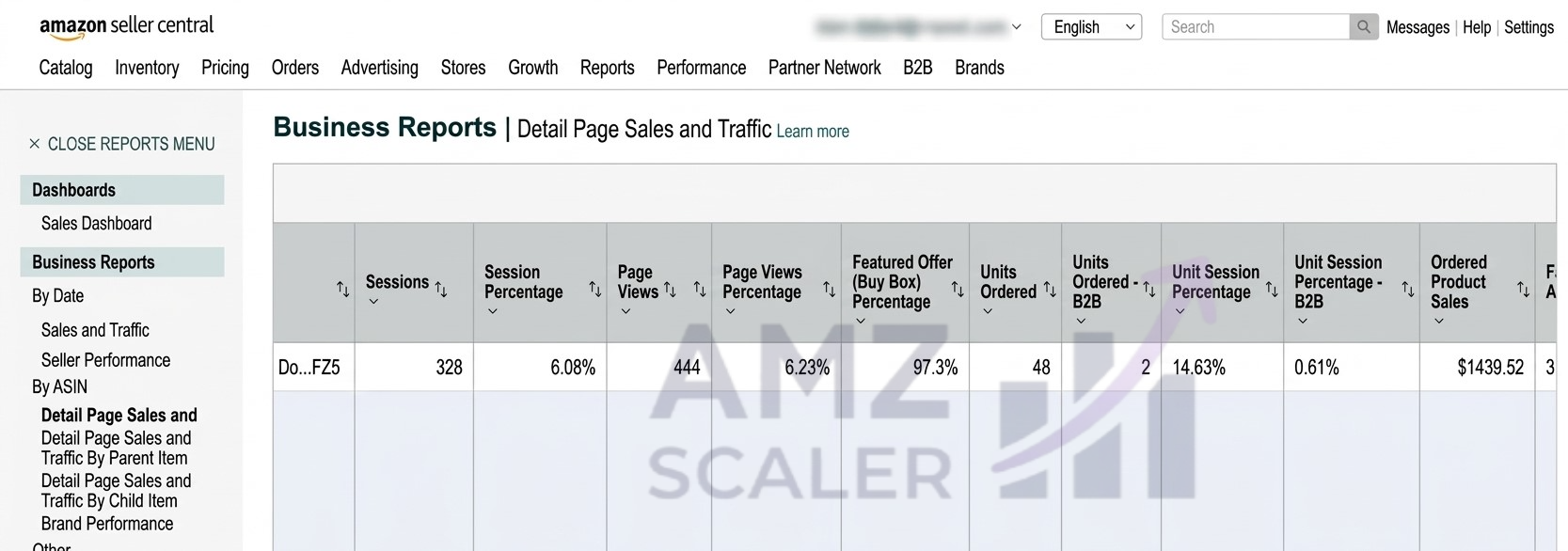
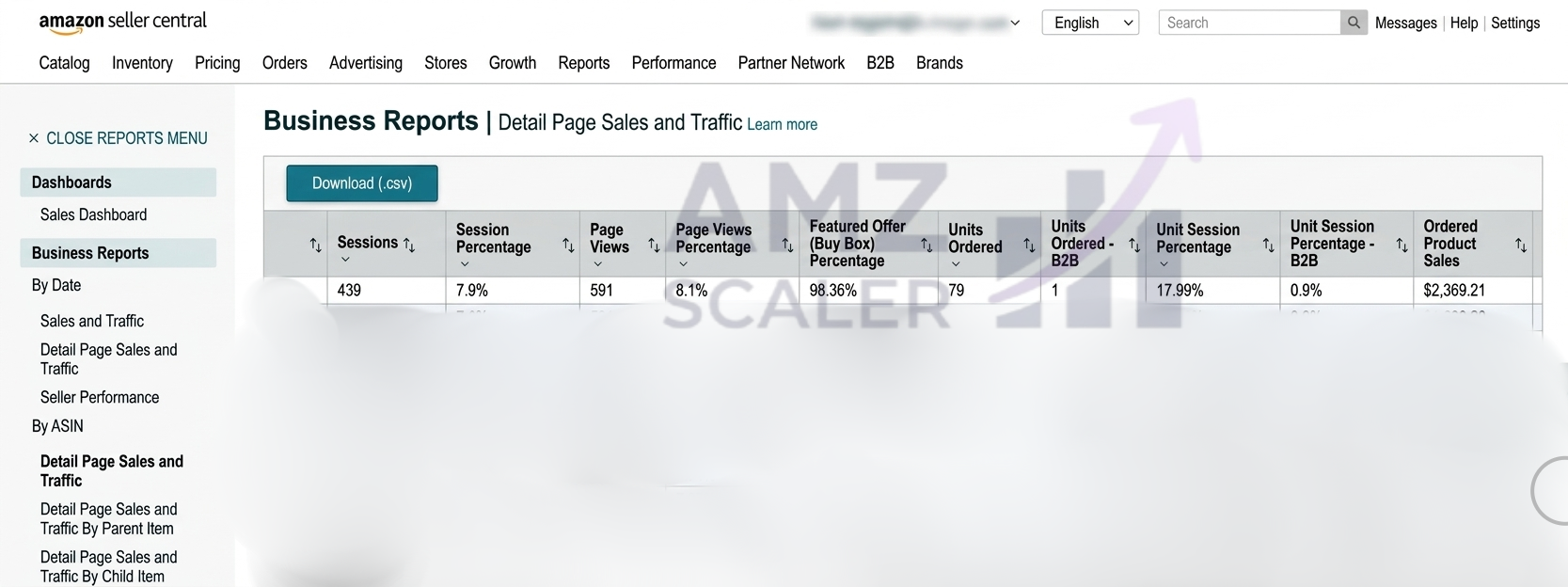
With the mapped keywords live, the listing indexed for more of the ways campers search: sessions rose from 328 to 439 and page view share from 6.23% to 8.1%. Conversion rose too, from 14.63% to 17.99%. Units went from 48 to 79 and sales from $1,439.52 to $2,369.21, with the average selling price unchanged at $29.99.
Metric
Before
After
Change
Sessions
328
439
+33.8%
Session percentage
6.08%
7.90%
+1.82 pts
Page views
444
591
+33.1%
Page view percentage
6.23%
8.10%
+1.87 pts
Featured Offer (Buy Box) %
97.30%
98.36%
Stable
Units ordered
48
79
+64.6%
Unit session percentage
14.63%
17.99%
+3.36 pts
Ordered product sales
$1,439.52
$2,369.21
+64.6%
Average selling price
$29.99
$29.99
Unchanged
Source: Amazon Seller Central Business Report, Detail Page Sales and Traffic by ASIN. Client identifiers removed. Average selling price is ordered product sales divided by units ordered.
Before: The Period Before the Rewrite
Before the rewrite. Source: Amazon Seller Central Business Report, client identifiers removed.
After: 3 Weeks With the New Listing Live
After the rewrite. Source: Amazon Seller Central Business Report, client identifiers removed.
Why Mapping Beat Stuffing
More phrases, more searches. A listing can only rank for words it contains. Spreading eighteen phrases across the copy let it appear for searches it had been missing.
Every bullet answered a camper’s question. Durability, fit, carrying, and setup are the four doubts with packable chairs. Each got its own bullet, so buyers found the answer where they expected it.
Same price, more buyers. The average selling price stayed at $29.99. The extra units came from more relevant traffic converting better, not from a discount.
What It Shows
Keyword research is only half the job. Where each keyword goes decides whether the listing reads like a product or a list. Mapped properly, eighteen phrases fit into copy that still sells, and this chair sold 65% more in three weeks at the same price. Results depend on each listing’s competition, pricing, reviews, and inventory.
Keyword mapping is the first step in our Amazon listing optimization services. Browse more on our client results page.
Written by the AMZ Scaler Team
Amazon advertising and listing specialists with 5+ years managing PPC and listing optimization for brands across the US, UK, and Canada. We publish what we apply in real seller accounts every day.